GED Testing Centers
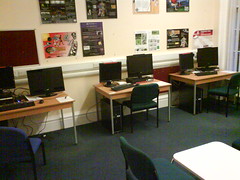
GED Testing Centers
People who want to earn the GED certification must pass a GED exam, and that exam can only be taken in an official GED Testing Center. So they might be wondering, “Where do I find these GED Testing Centers? Are there free GED Testing Centers?”
Depending on how you look at it, GED Testing Centers can be considered both free and not free to use.
The GED Testing Service does not charge you for using a GED Test Center, so in that sense, the centers are free. But, a registration fee is required for those taking the GED exam at GED Test Centers, so the fee includes, in addition to the cost of printing materials and the proctor’s salary, the cost of using of the test center. Although the payment is technically under “test registration”, you are also essentially paying to use their facilities, so it depends on your point of view. This situation applies to all GED Test Centers nationwide.
So how does one go about locating a GED Test Center?
First, he or she should visit the GED Testing Service website at www.gedtest.org, and click the “Locate Testing Center” hyperlink found near the middle of the front page. Once the individual gets redirected, he or she will be prompted to enter the zip code of their location, and a list of all the closest GED Testing Centers in that area will be displayed. To register for a test at a specific location, the individual must personally contact the center through email or phone. Some, but not all testing centers provide online registration services to make test registration easier and more convenient.
Not all GED Testing Centers are the same.
Test registration fees vary from place to place, and so do test policies. For example, each GED test can cost as low thirty dollars to as high as seventy-five. Some GED Testing Centers also require test takers to complete the seven hour long test in one go, which can be extremely difficult for those who do not have the mental endurance to sustain themselves in a pressured environment for so long. On the other hand, there are also GED testing centers that allow you to spread the test over the course of two or three days, so people who need time to refresh themselves before each test are recommended to find a testing center that allows them to do that.